


Call to set up an appointment
Keeping a bright, healthy smile isn’t just about brushing and flossing. Foods that damage teeth can weaken enamel, contribute to tooth decay, and increase the risk of sensitivity when eaten or consumed frequently. What you eat and drink every day plays an important role in your oral health.
Some seemingly innocent foods and beverages can quietly harm your teeth by weakening enamel, feeding cavity-causing bacteria, or staying stuck around the teeth where they can cause problems. Below are five common offenders, along with practical ways to protect your smile.
Learning which foods that damage teeth to limit can help you protect your enamel and reduce your risk of cavities.
1. Soda and Soft Drinks

Carbonated soft drinks often combine two major dental culprits: sugar and acid. The sugar feeds the bacteria in your mouth that produce harmful acids, while the beverage’s own acidity can soften and erode tooth enamel. As the enamel weakens, the underlying dentin becomes exposed, leading to sensitivity, discoloration, and increased risk of cavities.
Why it’s harmful:
-
Acidic pH weakens enamel.
-
Sugar provides fuel for bacteria that attack teeth.
-
Constant sipping or sipping over long periods increases the tooth’s exposure time to these threats.
What you can do:
-
Use a straw to reduce contact between soda and your teeth.
-
Rinse your mouth with water after drinking.
-
Swap soda for sparkling water or unsweetened tea.
-
Limit intake — every flavorful soda isn’t worth the enamel wear.
2. Sticky Candies and Sweets
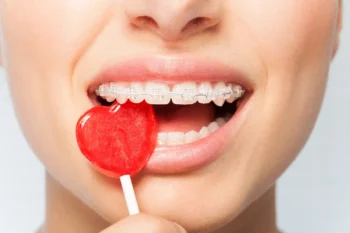
Sticky candies are among the foods that damage teeth most easily because sugar can remain on the tooth surface for an extended period. We all enjoy treats, but sticky sweets like caramel, gummies or taffy are particularly problematic because they cling to teeth, crevices and between molars for long periods — giving bacteria plenty of time to do damage.
Why it’s harmful:
-
Sticky texture = sugar remains in close contact with the tooth surface.
-
Hidden in grooves or between teeth — harder to remove.
-
Frequent sweet snacking throughout the day means constant attack.
Better habits:
-
Enjoy such sweets occasionally rather than grazing on them often.
-
Prefer something that melts quickly (like plain chocolate) rather than something that sticks.
-
Right after eating, rinse with water or brush if possible.
-
Floss to remove any remnants trapped between teeth.
3. Citrus Fruits and Juices

Although citrus fruits can be nutritious, frequent exposure to their acids can make them one of the foods that damage teeth when consumed excessively. Fruits like oranges, lemons, grapefruits and their juices bring many health benefits — but their high acidity can gradually erode enamel. Once enamel is compromised, teeth become more vulnerable to decay and sensitivity.
Why it’s harmful:
-
Acid in citrus weakens the tooth’s outer layer.
-
After acid attack, brushing too soon can actually remove tiny softened enamel particles.
Smart steps:
-
When drinking citrus juice, use a straw to minimize contact with your teeth.
-
Rinse your mouth with plain water right afterward to help neutralize acid.
-
Wait around 30 minutes before brushing after acidic drinks or foods — this gives enamel a chance to harden again.
-
Eat acidic fruits as part of a meal rather than in isolation (to reduce the duration of exposure).
4. Sports and Energy Drinks

Often marketed as healthy or necessary for workouts, many sports and energy drinks are high in both sugar and acid — making them potentially worse for teeth than even regular soda.
Why it’s harmful:
-
High sugar + acid = double threat to enamel.
-
During physical activity, saliva flow may be lower (saliva protects against acid) so damage risk increases.
-
Regular consumption (rather than occasional use) compounds the issue.
How to protect your teeth:
-
Use these drinks only when you truly need the hydration and electrolytes.
-
Otherwise, choose water or sugar-free electrolyte drinks that are less acidic.
-
After drinking, rinse with water or chew sugar-free gum to stimulate saliva.
-
Avoid sipping slowly over long periods — a burst of intake is better than a lingering one.
5. Starchy Snacks and Chips
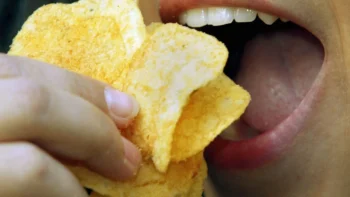
Chips, crackers, and other refined starchy snacks are also foods that damage teeth when particles remain trapped around the teeth and bacteria break down the carbohydrates. It might surprise you, but many starchy snacks — crackers, chips, fries — can damage teeth too. While they don’t taste sweet, starch converts into simple sugars in the mouth, which then feed bacteria and cause decay. In addition, crumbs can lodge between teeth or in gum lines.
Why it’s harmful:
-
Starch turns into sugar in your mouth, contributing to cavity risk.
-
Crumbs can cling around teeth and gums, often overlooked.
-
Snacking between meals means longer exposure to sugar and acid attacks.
Preventive habits:
-
After snacking on starchy foods, rinse with water or at least drink water to help wash away particles.
-
Floss regularly to remove particles stuck between teeth.
-
Limit snacking between meals — waiting until meals helps reduce constant exposure.
-
Choose whole-grain snacks with less refined starch when possible and pair them with water or cheese (which helps neutralize acid).
Other Smile-Saboteurs to Know
Beyond the five main categories above, keep in mind a few additional enamel-threateners:
-
Dried fruits: They may seem healthy, but they’re sticky and sugary—clinging to teeth long after eating.
-
Wine and alcoholic drinks: They can be both acidic and drying to saliva, which reduces your mouth’s natural protective mechanisms.
-
Chewing ice: While not a “food,” it’s a common habit that can cause cracks or damage to enamel.
Building a Stronger Smile: Habits That Work
Ultimately, it’s not about never enjoying fun foods or drinks — it’s about balance and smart habits. Here are guidelines to keep your teeth strong and resistant:
-
Brush at least twice daily using fluoride toothpaste.
-
Floss daily to remove food particles and plaque build-up between teeth.
-
After acidic or sugary foods/drinks, rinse with water or wait before brushing to allow your enamel to harden.
-
Visit your dentist regularly for cleanings and checks — early signs of enamel erosion or cavities can be caught and managed.
-
Ask your dental professional about preventive options like fluoride treatments or dental sealants to add protection to vulnerable surfaces.
-
Visit your Yukon dentist at least twice a year.
Understanding which foods that damage teeth can affect your oral health makes it easier to make smarter choices throughout the day.
Frequently Asked Questions About Foods That Damage Teeth
Keep your smile strong, bright, and beautiful—no matter what’s on your plate!
If you’ve been enjoying Yukon’s favorite foods and drinks a little too much lately, don’t worry—our team at Redeemed Smiles – Dentures, Implants & Dentistry Yukon is here to help. We’ll assess your enamel health, provide professional cleaning, and recommend personalized preventive care.