


Call to set up an appointment
Tooth pain when biting can make everyday activities like eating, chewing, and even speaking uncomfortable. You might notice a sharp pain when eating something hard, discomfort when chewing on one side of your mouth, or tenderness that only happens when your teeth come together. Although the pain may seem minor at first, it can sometimes indicate an underlying dental problem that needs attention.
Understanding the possible causes of tooth pain when biting can help you recognize dental problems early and know when to seek professional treatment. Some cases may involve minor sensitivity, while others could be related to tooth decay, cracks, infections, or damaged dental restorations.
Recognizing the early warning signs of tooth pain when biting can help you seek dental care before the problem becomes more serious. If you are experiencing discomfort while chewing, a dental examination can help identify the cause and determine the appropriate treatment. At Redeemed Smiles Dentistry in Yukon, OK, our goal is to help patients maintain healthy teeth and comfortable smiles through personalized dental care.
6 Possible Causes of Tooth Pain When Biting
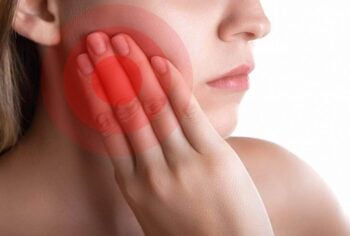
Pain when chewing or applying pressure to a tooth can happen for several reasons. Here are six common dental problems that may contribute to this discomfort.
1. Tooth Decay or Cavities
Tooth decay develops when bacteria in the mouth produce acids that gradually damage tooth enamel. As a cavity becomes deeper, it may reach the sensitive inner layers of the tooth, causing discomfort when chewing or biting down.
You may also experience sensitivity to hot, cold, or sweet foods and drinks. In some cases, tooth decay does not cause noticeable symptoms until the damage becomes more advanced.
Regular dental examinations can help detect cavities early. Depending on the extent of the decay, treatment may involve a dental filling or another restorative procedure.
2. Cracked or Damaged Teeth
One common symptom of a cracked tooth is tooth pain when biting down, especially when releasing pressure after chewing. Small cracks may be difficult to see without a dental examination, but they can cause sharp or inconsistent pain when pressure is applied. Patients experiencing tooth pain when biting may notice discomfort when chewing hard or crunchy foods.
Common causes include:
- Biting down on hard foods such as ice or hard candy.
- Accidents or injuries involving the mouth.
- Teeth grinding or clenching.
- Existing dental restorations that have weakened the tooth.
Some people notice pain when biting down but feel relief when releasing the pressure. This can be a warning sign of a cracked tooth.
A dentist can evaluate the damage and recommend appropriate treatment. Depending on the severity, options may include a dental crown or other restorative procedures.
3. Dental Abscess or Infection
A dental abscess is a pocket of pus caused by a bacterial infection. It can develop when bacteria enter the tooth through untreated decay, a crack, or damage to the tooth.
Although an infection can cause persistent discomfort, some patients also experience tooth pain when biting or applying pressure to the affected area.
Other possible symptoms include:
- Persistent or throbbing toothache.
- Swelling around the gums or face.
- A bad taste in the mouth.
- Fever.
- Sensitivity to hot and cold temperatures.
A dental infection should never be ignored. Seek urgent dental evaluation if you suspect an abscess. If you experience difficulty breathing or swallowing, seek emergency medical care immediately.
Treatment may involve draining the infection, root canal therapy, or tooth extraction, depending on the condition of the tooth
4. Loose or Damaged Dental Fillings
Dental fillings help restore teeth damaged by cavities. However, fillings can sometimes become worn, cracked, or loose over time.
When a filling is damaged, the underlying tooth may become exposed and sensitive to pressure. You might notice discomfort when chewing, especially when food touches the affected area.
A dentist can examine the restoration and determine whether it needs repair or replacement. Addressing a damaged filling early may help prevent additional damage to the tooth.
5. Gum Disease
Gum disease affects the tissues that support your teeth. It often begins with gingivitis, which can cause red, swollen, or bleeding gums.
If left untreated, gum disease may progress into periodontitis. This more advanced stage can damage the supporting tissues and bone around the teeth, potentially causing teeth to become loose or uncomfortable when biting.
- Watch for these warning signs:
- Bleeding gums when brushing or flossing.
- Persistent bad breath.
- Swollen or tender gums.
- Receding gums.
- Changes in how your teeth fit together when biting.
Professional dental cleanings and periodontal treatment can help manage gum disease and protect your oral health.
6. Teeth Grinding (Bruxism)
Teeth grinding, also known as bruxism, involves repeatedly clenching or grinding your teeth. It often happens during sleep, meaning you may not realize you are doing it.
Over time, excessive pressure can wear down tooth enamel, cause small cracks, and strain the muscles and joints around your jaw.
Possible symptoms include:
- Tooth sensitivity or discomfort when biting.
- Flattened or worn-down teeth.
- Jaw soreness, especially in the morning.
- Frequent headaches.
- Increased tooth sensitivity.
A dentist can evaluate signs of teeth grinding and recommend ways to protect your teeth. Depending on your needs, a custom night guard may help reduce damage caused by grinding.
When Should You See a Dentist for Tooth Pain?
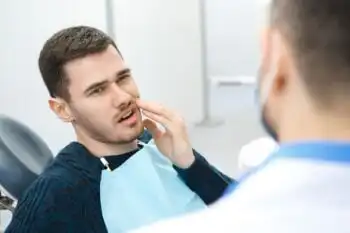
If tooth pain when biting continues or becomes more noticeable, schedule a dental examination to identify the underlying problem. However, persistent or recurring discomfort should be evaluated by a dental professional.
Consider scheduling a dental appointment if you experience:
- Pain that continues for more than a day or two.
- Sharp discomfort when biting or chewing.
- Sensitivity that does not improve.
- A chipped, cracked, or damaged tooth.
- Swollen or bleeding gums.
- Pain that interferes with eating or sleeping.
Do not wait for severe pain before seeking help. Some dental problems can worsen even when the symptoms initially seem manageable.
If you have facial swelling, fever, or signs of a spreading dental infection, seek urgent care. Difficulty breathing or swallowing requires immediate emergency medical attention.
How Does a Dentist Diagnose Tooth Pain?
Identifying the cause of tooth pain when biting helps your dentist recommend the most appropriate treatment. Finding the exact cause of dental discomfort is important for choosing the right treatment. During your appointment, your dentist may ask about your symptoms, when the pain started, and which activities make it worse.
A dental examination may include:
Visual Examination: Your dentist checks for cavities, cracks, damaged fillings, gum inflammation, and other visible concerns.
Bite and Pressure Testing: Applying controlled pressure to certain teeth may help identify the source of discomfort.
Dental X-Rays: Imaging may help reveal decay, infections, bone changes, or other problems that are not visible during a regular examination.
Gum Evaluation: Your dentist may examine your gums and the supporting structures around your teeth for signs of periodontal disease.
After evaluating your condition, your dentist can explain the findings and recommend a treatment plan based on your individual needs.
Treatment Options for Tooth Pain When Biting
The right treatment for tooth pain when biting depends on whether the discomfort comes from tooth decay, a crack, an infection, or another dental condition.
Some common treatment options include:
- Dental Fillings: Used to restore teeth affected by cavities.
- Dental Crowns: Help protect and strengthen teeth that are significantly damaged or weakened.
- Root Canal Therapy: May help save an infected or severely inflamed tooth by removing affected pulp tissue.
- Gum Disease Treatment: Professional cleaning and periodontal procedures can help manage gum infections.
- Night Guards: May protect teeth from excessive pressure caused by grinding or clenching.
- Tooth Extraction: May be necessary when a tooth is too damaged or infected to be restored.
Your dentist will recommend the most appropriate option after examining your teeth and evaluating your oral health.
How to Prevent Tooth Pain When Chewing
Although not every dental problem can be prevented, maintaining good oral hygiene and healthy habits can reduce your risk of developing conditions that cause tooth discomfort.
Here are some practical ways to protect your teeth:
- Brush Twice Daily: Use fluoride toothpaste to help strengthen enamel and remove plaque.
- Floss Every Day: Clean between your teeth to remove food particles and plaque that your toothbrush may miss.
- Avoid Chewing Hard Objects: Do not use your teeth to crack nuts, open packages, or bite hard objects.
- Limit Sugary Foods and Drinks: Frequent sugar consumption can contribute to tooth decay.
- Wear a Night Guard if Recommended: If you grind your teeth, ask your dentist whether a custom night guard is appropriate.
- Schedule Regular Dental Checkups: Routine examinations can help identify dental concerns before they become more complicated.
Taking care of your teeth consistently can help prevent many common oral health problems and support a healthier smile. Getting professional attention for tooth pain when biting can help protect your teeth and prevent further dental complications.
Frequently Asked Questions About Tooth Pain When Biting
Get Help for Tooth Pain at Redeemed Smiles Dentistry in Yukon, OK
Experiencing tooth pain when biting or chewing should not be something you have to live with. Whether the discomfort is caused by a cavity, cracked tooth, damaged filling, or another dental concern, identifying the problem early can help you avoid more extensive complications.
At Redeemed Smiles Dentistry, we are committed to providing compassionate, personalized dental care to help patients protect their oral health and maintain confident smiles. Our team can evaluate your dental concerns and discuss treatment options suited to your needs.
If you are experiencing tooth pain, do not wait until it becomes worse.
Schedule an appointment with Redeemed Smiles Dentistry in Yukon, OK, today!
Call us at (405) 23-SMILE (405-237-6453) and let our team help you take the next step toward a healthier, more comfortable smile.