


Access to quality dental care depends on more than just brushing and flossing. Insurance programs, preventive health initiatives, and government healthcare policies all play an important role in helping individuals and families receive the dental services they need. Preventive care, including regular general dentistry visits, can help identify problems before they become more serious.
Understanding Dental Care Coverage can help you make informed decisions about your oral health, whether you have private dental insurance, Medicaid, or pay for treatment yourself. While healthcare policies may evolve over time, maintaining good oral health remains one of the best investments you can make in your overall well-being.
In this guide, we'll explore how healthcare policy can influence dental coverage, why preventive care matters, and what you can do to protect your smile regardless of policy changes.

Why Healthcare Policies Matter
Healthcare policies established at both the federal and state levels influence how dental services are funded, delivered, and accessed.
These policies may affect:
- Medicaid dental benefits
- Children's dental programs
- Preventive health initiatives
- Community oral health education
- Access to dental providers
- Public health funding
- Insurance regulations
Because healthcare programs change over time, it's important to review your current dental benefits regularly and verify coverage before beginning treatment.
How Public Health Supports Better Oral Health
Strong public health initiatives help reduce oral disease across communities.
Several long-standing public health strategies contribute to healthier smiles.
Community Water Fluoridation
When maintained at recommended levels, community water fluoridation has been shown to help reduce tooth decay across populations by strengthening tooth enamel.
Preventive Care Programs
School-based dental screenings, preventive education, and routine dental checkups help identify problems before they become more serious.
Oral Health Education
Educational programs encourage healthy habits such as proper brushing, flossing, and regular dental visits.
Nutrition Programs
Healthy eating initiatives encourage balanced diets that support stronger teeth while reducing excessive sugar consumption.
Tobacco Prevention
Reducing tobacco use lowers the risk of gum disease, tooth loss, oral cancer, and many other serious health conditions.
Access to Affordable Dental Services
Public and private programs that improve access to dental care help more people receive preventive treatment before major problems develop.

Could Future Healthcare Policies Affect Dental Coverage?
Healthcare policies change periodically as governments update budgets, regulations, and public health priorities.
Potential changes may influence:
- Medicaid eligibility requirements
- Covered dental services
- Preventive care funding
- Community health programs
- Public education campaigns
- Reimbursement for dental providers
Because future policy decisions depend on many factors, it's impossible to predict exactly how dental coverage may change. Staying informed through your insurance provider or state Medicaid program is the best way to understand your current benefits.
Nutrition and Oral Health
Regardless of insurance coverage, your daily habits remain one of the strongest influences on your oral health.
Limit Added Sugar
Frequent sugar consumption feeds bacteria that produce acids capable of causing tooth decay.
Reduce Acidic Beverages
Soft drinks, sports drinks, and citrus beverages can gradually erode tooth enamel.
Limit Ultra-Processed Foods
Highly processed snacks often contain added sugars and refined carbohydrates that contribute to plaque buildup.
Choose Tooth-Friendly Foods
Support healthy teeth by eating foods rich in:
- Calcium
- Vitamin D
- Phosphorus
- Fiber
- Lean protein
Examples include dairy products, leafy greens, nuts, fish, and fresh fruits and vegetables.
Fluoride and Daily Oral Hygiene
Good oral hygiene remains one of the most effective ways to prevent cavities.
Healthy habits include:
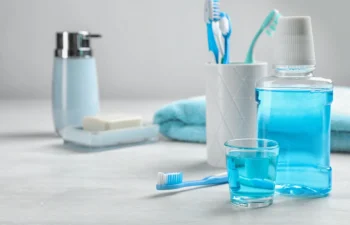
- Brushing twice daily, flossing, and receiving regular professional dental cleanings can help protect your teeth and gums.
- Flossing every day
- Using fluoride products when recommended by your dentist
- Replacing your toothbrush regularly
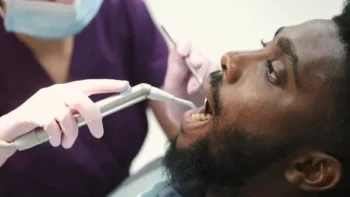
- Scheduling routine professional cleanings
These simple habits help protect your teeth regardless of your insurance coverage.
What Patients Can Control
While healthcare policies may change, many aspects of oral health remain completely within your control. Addressing dental concerns early can sometimes help prevent the need for more complex treatments such as dental implants.
You can reduce your risk of dental disease by:
- Brushing twice each day
- Flossing daily
- Eating a balanced diet
- Limiting sugary snacks and beverages
- Avoiding tobacco products
- Visiting your dentist every six months
- Addressing dental concerns early before they become more serious
Consistent preventive care often reduces the need for more complex and expensive dental treatment in the future.
Frequently Asked Questions
Let us put a smile on your face!
Our experienced team is dedicated to helping you achieve a smile that not only looks fantastic but also feels great. Contact us today or schedule a consultation and explore how we can enhance your oral health and transform your life.