


Call to set up an appointment
For some people, visiting the dentist can bring feelings of nervousness, fear, or even panic. Dental anxiety is common, and it can make it difficult for patients to schedule routine cleanings, address tooth pain, or move forward with necessary dental treatments.
Fortunately, patients do not have to let fear keep them from taking care of their smiles. Sedation dentistry can provide a more comfortable and relaxing dental experience for people who feel anxious about dental visits.
At Redeemed Smiles in Yukon, OK, sedation options may help nervous patients feel more at ease while receiving the dental care they need.
What Is Dental Anxiety?

Dental anxiety is a feeling of fear, stress, or nervousness associated with visiting the dentist or receiving dental treatment. For some patients, anxiety may be mild. For others, it can be strong enough to cause them to avoid dental appointments altogether.
Dental anxiety can develop for several reasons, including:
- A previous unpleasant dental experience
- Fear of needles or dental instruments
- Sensitivity to sounds or smells in a dental office
- Fear of discomfort or pain
- Feeling embarrassed about the condition of their teeth
- A general fear of medical procedures
- Difficulty sitting still during treatment
- Anxiety about not knowing what will happen during an appointment
Avoiding dental care because of anxiety can allow small problems to become more serious. Cavities, gum disease, damaged teeth, and other dental concerns may become harder to treat when care is delayed.
How Does Sedation Dentistry Work?
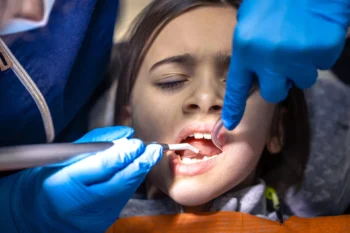
Sedation dentistry uses medication or other techniques to help patients feel calm and relaxed during dental treatment. Depending on the patient's needs, the level of sedation can range from minimal relaxation to a deeper state of calm.
Sedation does not necessarily mean that a patient will be completely asleep. In many cases, patients remain awake and responsive while feeling significantly more relaxed.
Before recommending a sedation option, the dental team considers factors such as the patient's medical history, anxiety level, treatment needs, and overall health.
The goal is to create a safer and more comfortable experience while helping patients receive the dental care they need.
Benefits of Sedation Dentistry for Anxious Patients
One of the biggest advantages of sedation dentistry is that it can make dental appointments feel less overwhelming.
1. Helps Reduce Dental Anxiety
Sedation can help calm nervous patients before and during treatment. Instead of constantly focusing on fear or discomfort, patients may be able to relax throughout their appointment.
For people who have avoided the dentist for years, this can be an important step toward rebuilding confidence in dental care.
2. Creates a More Comfortable Experience
Dental procedures can sometimes involve sensations, sounds, or positioning that make patients uncomfortable. Sedation may help reduce the awareness and emotional response associated with these experiences.
A more relaxed appointment can make it easier for patients and the dental team to work together.
3. Helps Patients Who Have Avoided Dental Care
Some patients wait until they have significant pain before visiting a dentist. Others may postpone appointments because they are worried about what treatment might involve.
Sedation dentistry can make it easier to take that first step.
Once patients experience a comfortable dental visit, they may feel more confident about returning for preventive care and future treatments.
4. Can Make Longer Appointments Easier
Some dental treatments require more time than a routine cleaning. Patients who have difficulty sitting through longer appointments may benefit from sedation.
By helping patients remain relaxed, sedation may make certain extended treatments feel more manageable.
5. Helps Patients With a Strong Gag Reflex
A sensitive gag reflex can make certain dental procedures uncomfortable or challenging. Depending on the treatment and the patient's individual circumstances, sedation may help reduce anxiety associated with the gag reflex and make treatment easier to tolerate.
What Types of Sedation Are Available?
Sedation options vary depending on the dental practice and the patient's individual needs. Common approaches may include different levels of sedation designed to help patients relax while maintaining appropriate monitoring and safety.
Minimal Sedation
Minimal sedation helps a patient remain awake but relaxed. Patients can typically communicate with the dental team while feeling calmer during treatment.
Oral Sedation
Oral sedation involves taking prescribed medication before a dental appointment. It may help reduce anxiety and create a deeper sense of relaxation.
Because oral sedation can affect alertness and coordination, patients may need someone to drive them to and from their appointment.
Other Sedation Options
Depending on the dental practice, additional sedation methods may be available. The appropriate option depends on the patient's health, anxiety level, procedure, and other factors.
A dentist should always evaluate the patient before determining which sedation approach is appropriate.
Is Sedation Dentistry Safe?

When properly planned and administered by qualified dental professionals, sedation dentistry can be a safe option for many patients.
Before treatment, your dental team should review your medical history, medications, allergies, and other relevant health information. This information helps the dental team determine whether sedation is appropriate and which approach may be safest.
Patients should always follow their dentist's instructions before and after a sedation appointment.
If you have questions or concerns about sedation, discuss them with your dental provider before treatment.
Who May Benefit From Sedation Dentistry?
Sedation may be considered for patients who:
- Experience significant dental anxiety
- Have had negative dental experiences in the past
- Have a strong fear of dental treatment
- Have a sensitive gag reflex
- Have difficulty sitting comfortably through dental procedures
- Need extensive dental treatment
- Have avoided dental care because of fear or anxiety
Sedation is not automatically necessary for every anxious patient. Some people may feel comfortable with simple communication, relaxation techniques, or other approaches.
The best option depends on each patient's individual situation.
How Sedation Can Help Break the Dental Anxiety Cycle
Dental anxiety can sometimes create a difficult cycle:
Fear → Avoiding the Dentist → Dental Problems Get Worse → More Extensive Treatment → Increased Fear
Sedation dentistry may help interrupt this cycle by making dental treatment feel more manageable.
A patient who has been avoiding the dentist may finally feel comfortable enough to receive an examination and treatment. As oral health improves and positive dental experiences replace negative ones, future appointments may become less intimidating.
For some patients, sedation can be an important part of rebuilding trust and confidence in dental care.
What Should You Expect During a Sedation Dentistry Appointment?
Your appointment will depend on the type of sedation and treatment you need. Generally, the process begins with a consultation.
During this visit, your dental team may discuss:
- Your dental concerns
- Your level of anxiet
- Your medical and dental history
- Current medications
- The treatment you need
- Available sedation options
- Instructions for preparing for the appointment
- What to expect after treatment
Once a sedation plan is established, your dental team will provide specific instructions to help you prepare.
After treatment, you may need time to recover before returning to your normal activities. Follow all post-treatment instructions provided by your dental team.
You Don't Have to Let Dental Anxiety Stop You From Getting Care
Dental anxiety is real, but it does not have to prevent you from maintaining your oral health.
Sedation dentistry can help eligible patients feel calmer, more comfortable, and more confident about receiving dental treatment. Whether you have avoided the dentist for years or simply feel nervous before appointments, discussing your concerns with your dental team is an important first step.
At Redeemed Smiles, the goal is to help patients feel comfortable while receiving the dental care they need. If dental anxiety has kept you from scheduling an appointment, talk with your dental team about whether sedation dentistry may be an appropriate option for you.
Frequently Asked Questions
Take the First Step Toward More Comfortable Dental Care
If fear or anxiety has kept you from visiting the dentist, you are not alone. With the right approach, dental care can become a more comfortable and manageable experience.
Redeemed Smiles in Yukon, OK is here to help patients explore their dental care options and take steps toward a healthier smile. If you are interested in learning whether sedation dentistry may be right for you, schedule a consultation and discuss your concerns with the dental team.