


Call to set up an appointment
A brighter smile can boost confidence, improve your appearance, and make you feel great in pictures or social situations. But when it comes to transforming your smile, two of the most popular cosmetic options today are veneers and teeth whitening. Both can dramatically improve how your teeth look, but they achieve results in very different ways.
In this guide, we’ll break down the key differences, benefits, limitations, costs, and expected outcomes of veneers and whitening so you can choose the best option for your smile goals.
What Are Veneers?
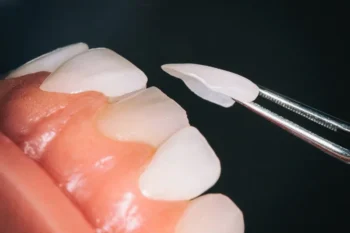
Dental veneers are ultra-thin shells (usually porcelain or composite) bonded to the front surface of your teeth. They can transform size, shape, and color — not just whiten.
Benefits of Veneers
- Permanent color change (won’t stain easily)
- Can correct misaligned, worn, chipped, or uneven teeth
- Natural-looking, long-lasting results
- Custom-made to fit your smile
Typical Veneers Results
- Whiter than natural teeth
- Even, symmetrical, and harmonious smile
- Usually lasts 10–15 years or more with proper care
Considerations
- Requires enamel removal
- Not reversible
- Higher cost than whitening
What Is Teeth Whitening?

Teeth whitening uses bleaching agents (like hydrogen peroxide) to lighten the natural color of your enamel. It’s less invasive and typically more affordable than veneers.
Types of Whitening
- In-office professional whitening — fastest, most dramatic results
- Take-home whitening kits — effective with consistent use
- Over-the-counter products — mild lightening at best
Benefits of Whitening
- Non-invasive — no enamel removal
- Short treatment time
- Lower cost
- Good for surface stains
Limitations
- Doesn’t change shape, size, or alignment
- Results vary by individual
- Can cause sensitivity
- Re-treatments often needed
Veneers vs. Whitening: Side-by-Side Comparison
| Feature | Veneers | Whitening |
|---|---|---|
| Results | Dramatic, uniform, permanent | Noticeable but surface-level |
| Longevity | 10–15+ years | 6 months–2 years |
| Cost | Higher upfront | Lower upfront |
| Coverage | Color, shape, size, alignment | Color only |
| Stain Resistance | High (especially porcelain) | Moderate |
| Procedure | Requires preparation | Non-invasive |
So, Which Gives Better Results?

If your goal is a dramatic smile makeover:
— Veneers usually deliver better and longer-lasting results. They don’t just whiten — they transform your smile.
If you’re on a budget or want a quick color boost:
— Teeth whitening is a great starting point — especially for mild to moderate staining.
Best combined approach:
— Many patients whiten first and then choose veneers for specific teeth that still don’t match.
Cost Comparison
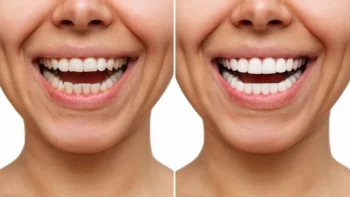
- Teeth Whitening: $300–$800 (in-office)
- Veneers: $900–$2,500 per tooth
Actual costs vary by practice and individual treatment plan.
Common Misconceptions
“Whitening will make my teeth as white as veneers.”
Not always — whitening is limited by natural enamel and staining type.
“Veneers ruin your teeth.”
Modern veneer prep is conservative and safe — especially compared to past techniques. A proper dental exam determines if you’re a good candidate.
Who Should Choose What?
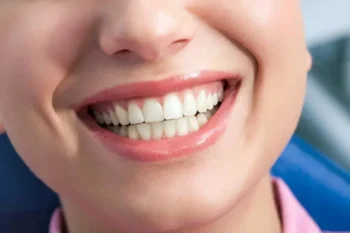
Choose Whitening If:
- You have mostly healthy teeth
- You want brighter teeth without major changes
- You want an affordable, non-invasive option
Choose Veneers If:
- You want a complete smile makeover
- You have discolored, chipped, or uneven teeth
- You want long-lasting, uniform results
Final Thoughts
Both veneers and whitening can elevate your smile — but they serve slightly different purposes. Whitening brightens your natural teeth, while veneers reshape and reimagine your smile entirely.
If you’re curious which option fits your smile goals best, booking a consultation can help you get personalized professional advice.
Frequently Asked Questions (FAQ)
Ready to Transform Your Smile?
Contact us at Redeemed Smiles today to explore veneers, professional whitening, and other cosmetic options that match your goals.