


As we get older, maintaining a healthy smile requires more than simply brushing twice a day. The risk of gum disease, tooth decay, and other oral health problems increases with age, making preventive care more important than ever. Fortunately, learning how to prevent tooth loss is easier than many people think.
Most cases of tooth loss are preventable with consistent oral hygiene, a healthy lifestyle, and routine dental care. By taking proactive steps today, you can protect your natural teeth, reduce your risk of costly dental procedures, and enjoy better overall health for years to come.
In this guide, we'll explain the most effective ways adults over 30 can prevent tooth loss and maintain a strong, healthy smile.
Why Adults Over 30 Are at Greater Risk of Tooth Loss
While anyone can lose teeth, adults over 30 often begin experiencing changes that increase their risk.
Some common factors include:
- Early stages of gum disease
- Receding gums
- Worn tooth enamel
- Dry mouth caused by medications
- Chronic conditions like diabetes
- Years of plaque and tartar buildup
- Smoking or tobacco use
The good news is that identifying these risks early allows you to take action before permanent damage occurs.

Maintain a Consistent Daily Oral Hygiene Routine
Good oral hygiene is the foundation of tooth loss prevention.
Brush Twice Every Day
Brush your teeth for at least two minutes every morning and evening using a soft-bristled toothbrush and fluoride toothpaste.
For even better plaque removal, consider using an electric toothbrush, which helps many patients clean more effectively.
Tips for proper brushing:
- Hold the toothbrush at a 45-degree angle toward your gums.
- Use gentle circular motions.
- Brush all tooth surfaces.
- Replace your toothbrush every three to four months.
Floss Every Day
Flossing removes plaque and food particles from areas your toothbrush cannot reach.
Whether you use traditional floss, floss picks, or a water flosser, daily cleaning between teeth helps reduce your risk of cavities and gum disease.
Use an Antibacterial Mouthwash
An antiseptic mouthwash helps reduce bacteria, freshen breath, and support healthier gums.
Use mouthwash after brushing and flossing, and avoid eating or drinking for about 30 minutes afterward for maximum effectiveness.
Eat Foods That Support Healthy Teeth
Your diet plays an important role in maintaining strong teeth and healthy gums.
Foods That Help Prevent Tooth Loss
Choose foods rich in vitamins and minerals, including:
- Milk
- Cheese
- Yogurt
- Leafy green vegetables
- Apples
- Carrots
- Celery
- Almonds
- Salmon
These foods provide calcium, phosphorus, and vitamin D, which help strengthen tooth enamel and support healthy bone.
Foods to Limit
Some foods and beverages increase your risk of cavities and enamel erosion.
Limit:
- Candy
- Soda
- Sports drinks
- Sticky snacks
- Energy drinks
- Excessive citrus
- Frequent sugary coffee drinks
If you enjoy acidic beverages, rinse with water afterward to help protect your enamel.



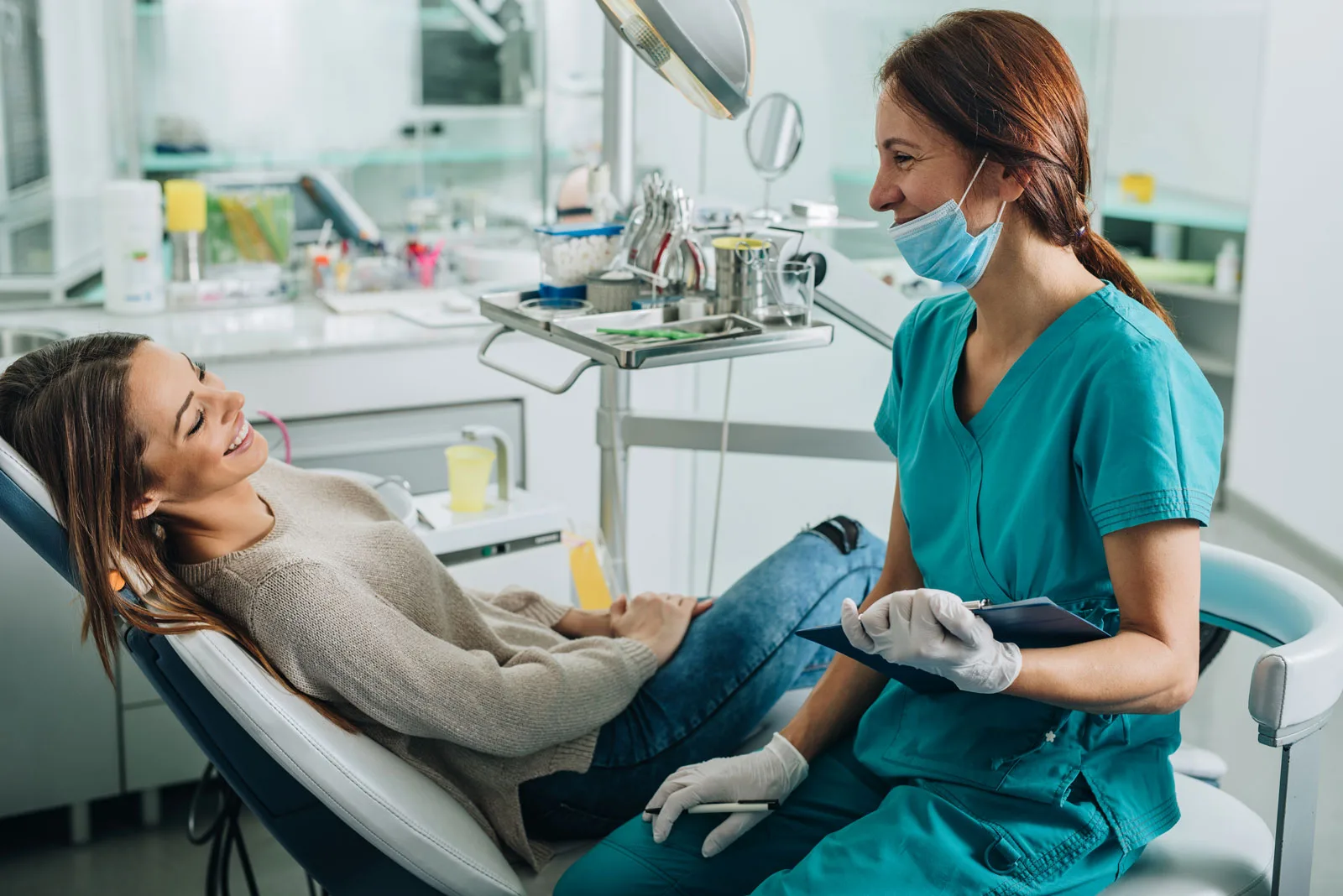
Schedule Regular Dental Checkups
Professional dental care is one of the most effective ways to prevent tooth loss.
Routine examinations allow your dentist to identify problems before they become serious.
Benefits include:
- Professional teeth cleaning
- Early cavity detection
- Gum disease screening
- Oral cancer screening
- Personalized oral hygiene recommendations
Most adults benefit from dental visits every six months, although some patients may require more frequent cleanings.
Protect Your Gums
Healthy gums are essential for healthy teeth.
Signs of gum disease include:
- Bleeding while brushing
- Red or swollen gums
- Persistent bad breath
- Gum recession
- Loose teeth
If you notice any of these symptoms, schedule a dental appointment as soon as possible. Early gum disease is often reversible when treated promptly.
Avoid Habits That Increase Tooth Loss
Certain daily habits place unnecessary stress on your teeth.
Smoking
Smoking reduces blood flow to the gums, slows healing, and greatly increases the risk of periodontal disease.
Quitting smoking is one of the best decisions you can make for both your oral and overall health.
Teeth Grinding
Grinding your teeth while sleeping can wear down enamel and even fracture teeth.
If you frequently wake with jaw pain or headaches, ask your dentist whether a custom night guard is appropriate.
Using Teeth as Tools
Avoid opening bottles, tearing packages, or chewing on hard objects such as pens or ice.
These habits significantly increase the risk of chipped or cracked teeth.
Stay Hydrated

Many adults don't realize saliva is one of the mouth's natural defenses against tooth decay.
Drinking plenty of water helps:
- Wash away food particles
- Neutralize acids
- Reduce bacteria
- Prevent dry mouth
Patients taking medications that cause dry mouth should discuss additional preventive strategies with their dentist.
Know the Warning Signs of Tooth Loss
Early treatment can often save natural teeth.
Contact your dentist if you notice:
- Loose teeth
- Pain when chewing
- Persistent tooth sensitivity
- Swollen gums
- Bleeding gums
- Gum recession
- Bad breath that won't go away
Ignoring these symptoms often leads to more complex treatment later.