


A chipped tooth can happen when you least expect it. Whether you bite into something hard, suffer a sports injury, or accidentally fall, losing part of a tooth can be both alarming and uncomfortable.
While some chipped teeth are only cosmetic, others can expose the inner layers of the tooth, increasing the risk of pain, infection, and permanent damage. Knowing when to seek dental care can make a significant difference in protecting your oral health.
In this guide, we'll explain what causes chipped teeth, when emergency dental care is necessary, what you should do immediately after the injury, and the treatment options available to restore your smile.
What Causes a Chipped Tooth?
Teeth are incredibly strong, but they're not indestructible. Several situations can cause a tooth to chip, including:
- Biting hard foods like ice, popcorn kernels, or hard candy
- Sports-related injuries
- Falls or accidents
- Teeth grinding (bruxism)
- Large fillings that weaken a tooth
- Untreated cavities that reduce tooth strength
- Using your teeth to open bottles or packages
Even healthy teeth can chip under enough force, making preventive habits important.
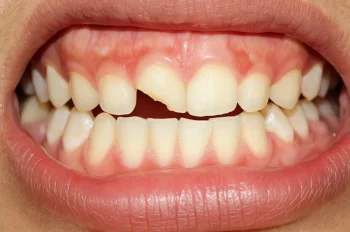
How Serious Is a Chipped Tooth?
Not every chipped tooth requires emergency treatment. The severity depends on how much of the tooth is damaged and whether the inner structures have been affected.
Minor Chips
Small chips affecting only the enamel are usually cosmetic.
Signs include:
- No pain
- No sensitivity
- Small rough edge
- Minimal visible damage
Although not an emergency, it's still important to schedule a dental evaluation. Small chips can often be repaired quickly with dental bonding or cosmetic contouring.
Moderate Chips
A larger chip may expose the dentin, the layer beneath the enamel.
Symptoms may include:
- Tooth sensitivity
- Mild pain when eating
- Sharp edges
- Increased sensitivity to hot or cold foods
Prompt treatment helps protect the tooth from further damage.
Severe Chips or Fractures
If the chip reaches the pulp, where nerves and blood vessels are located, emergency treatment is necessary.
Warning signs include:
- Severe pain
- Bleeding
- Significant swelling
- Visible fracture
- Difficulty chewing
- Loose tooth
Ignoring these symptoms increases the risk of infection and tooth loss.
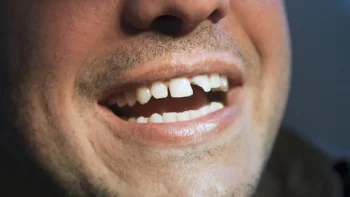
What Should You Do Immediately After Chipping a Tooth?
Taking the right steps before reaching your dentist can help minimize complications.
Step 1: Rinse Your Mouth
Use warm water to gently clean the area and remove debris.
Step 2: Save Any Broken Pieces
If possible, place the broken tooth fragment in a clean container with milk or saline solution and bring it to your appointment.
Step 3: Stop Any Bleeding
Apply gentle pressure with clean gauze if bleeding is present.
Step 4: Reduce Swelling
Place a cold compress against the outside of your cheek for 10–20 minutes.
Step 5: Protect the Tooth
If sharp edges are irritating your tongue or cheek, cover them temporarily with dental wax or sugar-free chewing gum.
Step 6: Call Your Dentist
Even if the chip seems minor, contact your dental office for guidance.
When Should You See a Dentist Immediately?
Seek emergency dental care if:
- The tooth is painful
- The chip is large
- You see pink or red tissue inside the tooth
- The tooth is loose
- Bleeding continues
- Swelling develops
- You have difficulty biting down
Early treatment often prevents more extensive procedures later.
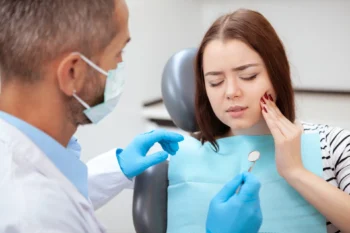
How Dentists Repair a Chipped Tooth
Treatment depends on the size and location of the damage.
Dental Bonding
Small chips can often be repaired using tooth-colored composite resin that blends naturally with your smile.
Dental Veneers
For front teeth with cosmetic damage, porcelain veneers provide a durable, natural-looking solution.
Dental Crowns
Larger chips may require a dental crown to restore strength and protect the remaining tooth structure.
Root Canal Therapy
If the pulp has been damaged, root canal treatment may be necessary before restoring the tooth.
Tooth Extraction
When a tooth cannot be saved, extraction followed by a dental implant or bridge may be recommended.
Can a Chipped Tooth Heal on Its Own?
Unfortunately, no.
Unlike bones, tooth enamel cannot regenerate. Once enamel is chipped away, it will not grow back.
Even if the chip doesn't hurt, professional treatment helps prevent additional damage and preserves your smile.
How to Prevent Chipped Teeth
Simple habits can reduce your risk of future injuries.
- Wear a mouthguard during sports.
- Avoid chewing ice.
- Don't bite hard candy or popcorn kernels.
- Never use your teeth as tools.
- Wear a night guard if you grind your teeth.
- Visit your dentist regularly to identify weakened teeth before they fracture.
Frequently Asked Questions
Don't Ignore a Chipped Tooth
Even a small chip can become a larger dental problem if left untreated. Early evaluation allows your dentist to recommend the most conservative treatment while protecting your tooth from further damage.
If you've chipped a tooth, our experienced team is here to help. We'll evaluate the injury, explain your treatment options, and restore your smile as quickly and comfortably as possible.
Contact our office today to schedule an appointment or receive emergency dental care.