


Artificial intelligence (AI) is transforming industries around the world, and dentistry is no exception. From digital imaging and treatment planning to robotic-assisted procedures, technology continues to improve the precision and efficiency of modern dental care.
In August 2024, the world's first fully robotic dental procedure generated headlines and sparked an important question:
Will robot dentists eventually replace human dentists?
While robotic dentistry is an exciting advancement, today's technology is best viewed as a tool that supports dental professionals rather than replaces them. Understanding what robotic dentistry can—and cannot—do helps patients make informed decisions about their oral health

What Are Robot Dentists?
A "robot dentist" isn't an independent robot that diagnoses and treats patients without supervision.
Instead, robotic dentistry combines several advanced technologies, including:
- Artificial intelligence
- Robotic-assisted surgical systems
- Digital scanning
- 3D imaging
- Computer-guided treatment planning
These technologies assist dentists in performing procedures with greater precision while reducing the possibility of human error.
In other words, robot dentists are better understood as advanced robotic systems that work alongside trained dental professionals.
The World's First Robotic Dental Procedure
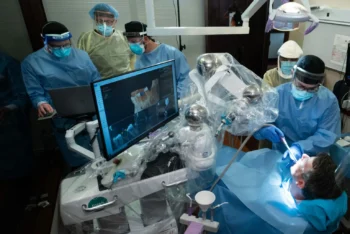
In 2024, a Boston-based dental technology company announced the successful completion of what it described as the first fully robotic dental procedure.
The technology demonstrated how robotic systems could assist with dental implant placement using advanced imaging, AI, and robotic guidance.
Although this development is promising, robotic dental technology remains in the early stages of adoption. Additional research, regulatory review, and clinical validation will be important before these systems become widely available.
This means that patients are unlikely to see completely autonomous robot dentists replacing their regular dental professionals anytime soon.
Potential Benefits of Robotic Dentistry
Advancements in AI and robotics could improve many aspects of dental care.
Greater Precision
Computer-guided movements may allow for more accurate implant placement and other surgical procedures. Robotic systems can follow highly detailed digital treatment plans and assist dentists with precise movements.
Consistent Treatment
Robotic systems can follow carefully designed treatment plans with a high level of consistency. This may help dental professionals perform certain procedures more predictably.
Faster Procedures
Automation may reduce treatment times for certain procedures while improving workflow efficiency. As the technology develops, robotic assistance could potentially make some treatments more streamlined.
Better Planning
AI can assist dentists by analyzing digital scans and identifying important treatment considerations. These tools can give dental professionals additional information when developing personalized treatment plans.
The Limitations of Robot Dentists
Despite the excitement surrounding AI and robotics, robot dentists still have important limitations.
They Cannot Replace Clinical Judgment
Every patient's mouth is unique.
Experienced dentists consider factors such as medical history, patient goals, anxiety levels, oral habits, and overall health when creating treatment plans.
These decisions require professional judgment, experience, and communication that technology cannot fully replicate.
They Cannot Build Trust
Many patients experience dental anxiety. A compassionate conversation, reassurance during treatment, and personalized communication remain essential parts of quality dental care.
Even the most advanced robot dentists cannot replace the trust that develops between a patient and their dental team.
Human Oversight Remains Essential
Today's robotic systems operate under the supervision of trained dental professionals.
Dentists remain responsible for diagnosis, treatment planning, monitoring patient safety, and managing unexpected situations. Human expertise continues to play a critical role, even when advanced robotic technology is involved.
How AI Is Already Improving Dentistry
Even if robot dentists are not yet common in everyday dental practices, AI is already helping dentists deliver better care.
Examples include:
- Digital smile design
- 3D treatment planning
- Intraoral scanners
- Computer-guided dental implants
- Digital impressions
- AI-assisted radiograph analysis
- Same-day restorations using CAD/CAM technology
These innovations help improve accuracy while making dental visits more comfortable and efficient.
AI-assisted technology can also help dental professionals organize information and identify potential concerns more efficiently, allowing dentists to focus on providing personalized patient care.
Technology Works Best with Human Expertise
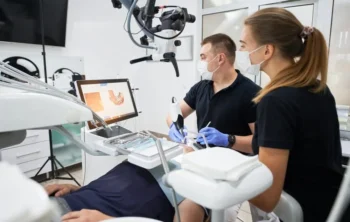
The future of dentistry isn't simply about replacing dentists with machines.
It's about giving skilled professionals better tools.
While robot dentists and robotic dental systems may become more common in the future, technology is most effective when combined with experience, communication, and compassionate care.
Modern dental technology allows dentists to diagnose problems earlier, plan treatments more accurately, and deliver improved patient experiences.
However, technology cannot replace the importance of understanding a patient's concerns, answering questions, and creating a comfortable treatment environment.
Our Approach to Modern Dentistry
At Redeemed Smiles, we believe patients deserve the best of both worlds.
We continuously invest in modern dental technology because it can help improve diagnosis, treatment precision, and patient comfort.
At the same time, we believe every patient deserves individualized care from a dental team that listens, answers questions, and develops treatment plans based on each person's unique needs.
Technology enhances our care—it never replaces the human connection.