


In our previous article, "What Causes a Tooth to Be Unsalvageable?", we discussed the conditions that can lead to permanent tooth damage. But how do you know when a damaged tooth has reached the point where it can no longer be restored?
Recognizing the signs a tooth cannot be saved can help you seek professional treatment before the condition leads to more serious complications. While dentists always aim to preserve natural teeth whenever possible, some situations require extraction to protect your overall oral health.
If you're experiencing persistent pain, swelling, or a severely damaged tooth, understanding these warning signs can help you determine when it's time to seek professional care.
Why Saving a Natural Tooth Is Always the Goal
Whenever possible, dentists prefer to preserve your natural teeth.
Natural teeth help you:
- Chew comfortably
- Speak clearly
- Maintain jawbone health
- Keep neighboring teeth properly aligned
- Preserve your natural smile
Modern dentistry offers treatments such as fillings, crowns, root canals, and periodontal therapy that can often save damaged teeth. However, when these treatments are no longer predictable, extraction may become the healthiest option. Understanding the signs a tooth cannot be saved can help patients recognize when preserving the natural tooth may no longer be possible.
1. Persistent Infection That Doesn't Improve
One of the clearest warning signs is a recurring or severe dental infection.
An infection develops when bacteria reach the inner pulp of the tooth.
Common symptoms include:
- Constant throbbing pain
- Swelling around the gums
- Pus drainage
- A bad taste in the mouth
- Fever
- Facial swelling
A severe or recurring infection is one of the important signs a tooth cannot be saved, particularly when the infection has damaged the surrounding bone and tissues.
2. Significant Bone Loss Around the Tooth
Healthy teeth rely on healthy jawbone support.
Advanced gum disease or long-term infection can destroy the bone that anchors a tooth.
Warning signs include:
- Loose teeth
- Gum recession
- Difficulty chewing
- Teeth shifting position
Significant bone loss around a tooth is another serious concern among the signs a tooth cannot be saved, especially when the tooth has become extremely loose.
3. Severe tooth damage
One of the most common signs a tooth cannot be saved is extensive damage that affects too much of the natural tooth structure. Severe or persistent pain may also indicate that the tooth has experienced irreversible nerve damage or a serious infection.
However, severe pain that:
- Doesn't improve
- Wakes you at night
- Persists after treatment
- Radiates into your jaw or ear may indicate irreversible nerve damage or a serious infection.
A dental evaluation is necessary to determine whether the tooth can still be restored.
4. Large Cracks or Fractures
A chipped tooth is often repairable.
However, deeper fractures can make a tooth unsalvageable.
Particularly concerning are cracks that:
- Extend below the gumline
- Split the tooth in half
- Reach the root
- Continue beneath existing crowns or fillings
Deep cracks that extend into the root are among the signs a tooth cannot be saved because they can make successful restoration extremely difficult.
5. Severe decay
Deep decay that has destroyed most of the tooth may be one of the signs a tooth cannot be saved, especially when there is not enough healthy structure left to support a restoration.
As decay progresses, more treatment becomes necessary.
When decay destroys most of the natural tooth structure, there may not be enough healthy tooth remaining to support:
- A filling
- A crown
- A root canal
In these situations, extraction may provide the best long-term outcome.
6. A Loose Tooth Caused by Gum Disease
Severe tooth mobility caused by advanced gum disease or bone loss can be one of the signs a tooth cannot be saved without extraction.
Mobility often indicates:
- Advanced periodontal disease
- Bone loss
- Infection
- Trauma
Early treatment may stabilize some teeth, but severe looseness often indicates irreversible damage.
How Dentists Determine Whether a Tooth Can Be Saved
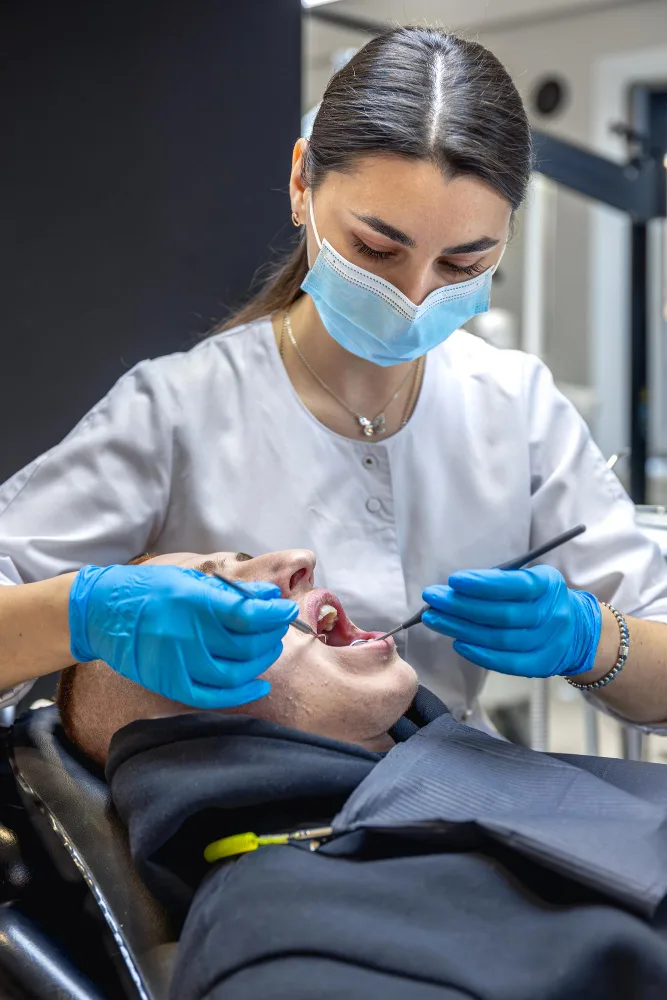
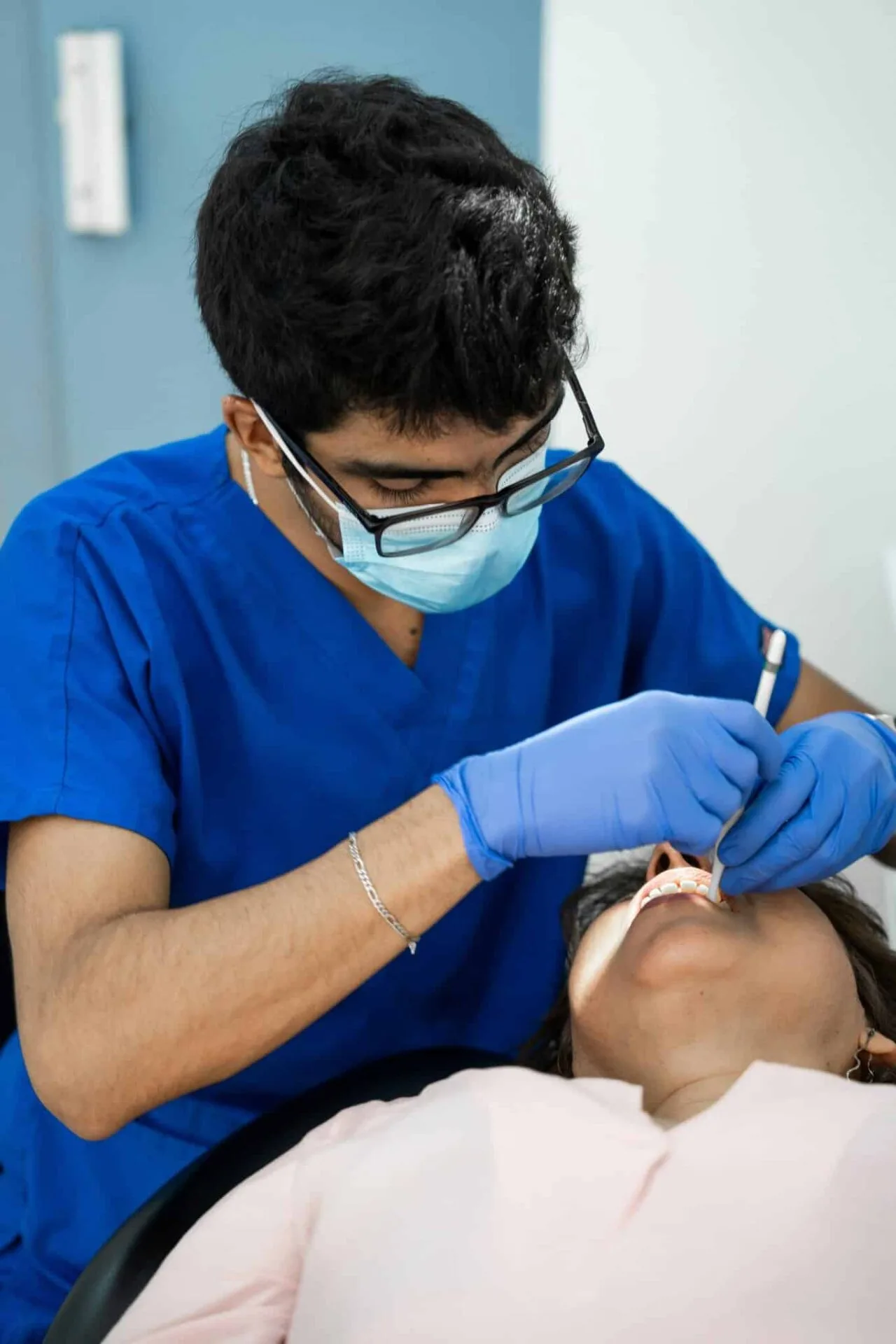
Because the signs a tooth cannot be saved can sometimes overlap with conditions that are treatable, a professional dental examination is essential before deciding that extraction is necessary.
These include:
- Digital X-rays
- Amount of remaining healthy tooth
- Root condition
- Bone support
- Gum health
- Extent of infection
- Long-term prognosis
The goal is always to recommend the treatment that offers the greatest chance of long-term success.
Treatment Options for an Unsalvageable Tooth
If a tooth cannot be restored, several treatment options can restore your smile.
Tooth Extraction
Removing the damaged tooth eliminates pain, infection, and prevents further complications.
Modern techniques make extractions more comfortable than many patients expect.
Dental Implants
Dental implants replace both the root and crown of a missing tooth.
Benefits include:
- Natural appearance
- Strong chewing ability
- Long-lasting results
- Prevention of jawbone loss
Dental Bridges
A bridge replaces one or more missing teeth using neighboring teeth for support.
Partial Dentures
A removable option that replaces several missing teeth.
Your dentist will recommend the treatment best suited to your oral health and goals.
Can an Unsalvageable Tooth Be Prevented?
In many cases, yes.
You can greatly reduce your risk by:
- Brushing twice daily with fluoride toothpaste
- Flossing every day
- Visiting your dentist every six months
- Treating cavities early
- Wearing a mouthguard during sports
- Avoiding tobacco products
- Managing gum disease promptly
Preventive care remains the best way to avoid tooth loss.
Frequently Asked Questions
Don't Ignore the Warning Signs
If you're experiencing persistent tooth pain, swelling, looseness, or a damaged tooth, don't wait to seek professional care. Early diagnosis can sometimes save a tooth before permanent damage occurs.
If extraction is necessary, today's restorative dentistry offers reliable solutions that can restore your smile, improve chewing function, and protect your long-term oral health.
Our experienced team is here to evaluate your symptoms, explain your treatment options, and help you make the best decision for your smile. Contact us today to schedule a comprehensive dental examination.