


One of the most common questions patients ask is, "Can my tooth still be saved?" The answer depends on the extent of the damage, infection, or disease affecting the tooth.
An Unsalvageable Tooth is one that has been damaged beyond the point where restorative treatments—such as fillings, crowns, or root canal therapy—can successfully preserve it. While dentists always aim to save natural teeth whenever possible, there are situations where extraction becomes the safest and healthiest option.
Understanding what causes a tooth to become unsalvageable can help you recognize warning signs early and seek treatment before permanent damage occurs.
What Is an Unsalvageable Tooth?
An unsalvageable tooth, sometimes called a non-restorable tooth, is a tooth that cannot be repaired with conventional dental treatment.
Dentists evaluate several factors when determining whether a tooth can be saved, including:
- The amount of healthy tooth structure remaining
- The condition of the tooth root
- The health of the surrounding bone and gums
- The extent of infection
- Whether the tooth can function normally after treatment
Whenever possible, preserving a natural tooth is the preferred option because it helps maintain proper chewing function, jawbone health, and alignment of surrounding teeth.

Common Causes of an Unsalvageable Tooth
Several factors and conditions can render a tooth beyond saving. Here's a closer look at the primary causes:
Severe Tooth Decay
One of the leading causes of an unsalvageable tooth is extensive decay.
When cavities are treated early, a simple filling is often enough to restore the tooth. However, untreated decay continues to spread through the enamel and dentin until it reaches the pulp, where the nerves and blood vessels are located.
If too much tooth structure has been destroyed, there may not be enough healthy material left to support a filling or crown.
At that stage, extraction may be the only predictable treatment.
Advanced Periodontal (Gum) Disease
Gum disease affects more than your gums—it also damages the bone that supports your teeth.
As periodontal disease progresses, patients may experience:
- Loose teeth
- Receding gums
- Bone loss
- Persistent bad breath
- Bleeding gums
Even if the tooth itself is healthy, severe bone loss can leave it without adequate support, making it impossible to save.
Routine dental cleanings and periodontal care can often prevent this outcome.
Dental Trauma
Sports injuries, falls, and vehicle accidents can cause severe damage to teeth.
Trauma may result in:
- Cracked teeth
- Broken roots
- Tooth displacement
- Damage to surrounding bone
Emergency dental treatment can often preserve injured teeth if care is received quickly.
Multiple Previous Dental Procedures
Some teeth have undergone numerous restorations over many years.
Repeated fillings, root canals, crowns, or fractures can gradually weaken the remaining tooth structure.
Although many restored teeth last for decades, extensive damage may eventually leave too little healthy tooth to repair successfully.
Untreated Dental Infection
A dental abscess is a serious infection that develops when bacteria reach the inner portion of a tooth.
Symptoms may include:
- Severe toothache
- Swelling
- Pus drainage
- Bad taste in the mouth
- Fever
- Facial swelling
Without treatment, infection can destroy surrounding bone and significantly reduce the likelihood of saving the tooth.
Signs a Tooth May Not Be Savable
Only a dentist can determine whether a tooth can be restored, but common warning signs include:
- Severe pain that doesn't improve
- Large portions of the tooth missing
- Significant mobility
- Swelling around the tooth
- Persistent infection
- Extensive decay visible above or below the gumline
- Cracks extending into the root
- Recurrent infections after previous treatment
These symptoms should be evaluated as soon as possible.
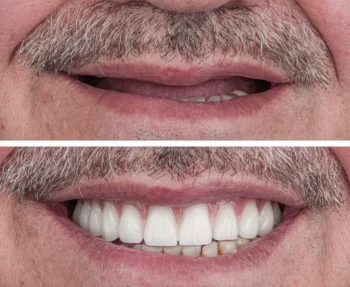
Can an Unsalvageable Tooth Be Replaced?
Yes.
If extraction becomes necessary, several options can restore your smile.
Treatment may include:
Dental Implants
Often considered the closest replacement to a natural tooth.
Dental Bridges
A fixed restoration that replaces one or more missing teeth.
Partial Dentures
A removable option for replacing several missing teeth.
Full Dentures
Used when all natural teeth require replacement.
Your dentist will recommend the solution that best fits your oral health, lifestyle, and budget.
How to Prevent Tooth Loss
Many unsalvageable teeth can be prevented through consistent oral healthcare.
Protect your smile by:
- Brushing twice daily with fluoride toothpaste
- Flossing every day
- Limiting sugary foods and drinks
- Scheduling dental checkups every six months
- Treating cavities early
- Wearing a mouthguard during sports
- Avoiding tobacco products
Preventive care is almost always simpler and less expensive than replacing a missing tooth.
Frequently Asked Questions
Don't Wait to Save Your Tooth
If you're experiencing tooth pain, swelling, or have suffered a dental injury, don't assume your tooth is beyond saving.
The earlier a dentist evaluates the problem, the greater the chance of preserving your natural tooth. Even if extraction is necessary, modern tooth replacement options can restore your smile, comfort, and confidence.
If you're concerned that you may have an unsalvageable tooth, contact our office today to schedule a comprehensive dental evaluation and discuss the treatment options that are right for you.